what is the best hair treatment for dry hair

Dry hair is one of the most common hair concerns, affecting people of all ages, hair types, and lifestyles. Whether your hair feels rough, looks dull, breaks easily, or constantly feels thirsty no matter how much conditioner you use, dryness is a sign that your hair is lacking moisture, protection, or both.
The good news? Dry hair can be transformed with the right treatment approach. The “best” hair treatment for dry hair isn’t just one product—it’s a combination of hydration, nourishment, and habits that work together to restore softness and shine.
Let’s break it down clearly and practically.
Why Hair Becomes Dry in the First Place
Before choosing the best treatment, it’s important to understand why hair becomes dry.
Common causes include:
- Frequent heat styling (blow dryers, straighteners, curling irons)
- Chemical treatments (coloring, bleaching, perming)
- Overwashing or using harsh shampoos
- Sun exposure, cold weather, or dry air
- Naturally curly or textured hair (which loses moisture faster)
- Lack of natural scalp oils reaching the hair ends
Dry hair isn’t just about missing water—it’s also about damaged cuticles that can’t hold moisture inside.
The Best Hair Treatment for Dry Hair: A Complete Answer
1. Deep Conditioning Hair Masks (The #1 Essential)
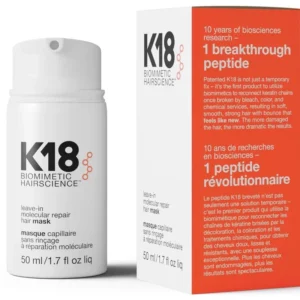
If you had to choose one best treatment, it would be a deep conditioning hair mask.
Unlike regular conditioners, hair masks:
- Penetrate deeper into the hair shaft
- Repair surface damage
- Restore softness and elasticity
- Improve shine and manageability
How to use it properly:
- Apply to damp, towel-dried hair
- Focus on mid-lengths and ends
- Leave on for 10–30 minutes
- Use once or twice per week
For very dry or damaged hair, consistency matters more than brand names.
2. Natural Oils for Long-Lasting Nourishment
Oils don’t hydrate hair directly, but they seal moisture in and protect hair from further dryness.
Best oils for dry hair:
- Argan oil (lightweight, adds shine)
- Coconut oil (deep nourishment)
- Olive oil (softening and strengthening)
- Jojoba oil (similar to natural scalp oils)
Best ways to use oils:
- As a pre-wash treatment
- A few drops on damp hair to lock in moisture
- Overnight oil masks for extremely dry hair
Avoid applying too much oil to dry hair—it can make hair feel greasy instead of soft.
3. Leave-In Treatments: Daily Moisture Protection
Leave-in conditioners are often underestimated, but they are crucial for dry hair.
Benefits include:
- Continuous hydration throughout the day
- Easier detangling
- Protection against heat and friction
- Reduced frizz and breakage
For dry hair, a leave-in treatment can be the difference between hair that dries out by noon and hair that stays soft all day.
4. Gentle, Moisturizing Shampoo (Less Is More)
Many people try to fix dry hair with treatments but unknowingly worsen the problem with harsh shampoos.
What dry hair needs:
- Sulfate-free or mild cleansers
- Washing 2–3 times per week (not daily)
- Lukewarm water instead of hot water
Shampoo should clean the scalp—not strip the hair.
5. Protein + Moisture Balance (Often Overlooked)
Dry hair is sometimes weak, not just thirsty.
Signs you may need protein:
- Hair breaks easily
- Hair feels mushy when wet
- Hair won’t hold styles
A balanced treatment routine alternates between:
- Moisture-focused masks
- Light protein treatments (once or twice a month)
Too much protein can make hair stiff, so moderation is key.
Best Treatment by Hair Type
For Curly or Coily Hair
- Weekly deep masks
- Daily leave-in conditioner
- Oil or cream to seal moisture
- Minimal heat styling
For Straight or Fine Hair
- Lightweight masks
- Small amounts of oil
- Avoid heavy butters
- Focus on ends only
For Color-Treated or Bleached Hair
- Intensive repair masks
- Heat protection every time
- Gentle washing routine
Lifestyle Habits That Boost Treatment Results
Even the best hair treatment won’t work if daily habits damage your hair.
Helpful changes:
- Use a microfiber towel or cotton T-shirt
- Sleep on silk or satin pillowcases
- Trim split ends regularly
- Limit heat styling
- Protect hair from sun and cold weather
Healthy hair is built slowly, not overnight.
How Long Does It Take to See Results?
With the right treatment routine:
- 1–2 weeks: Hair feels softer and easier to manage
- 3–4 weeks: Improved shine, less frizz, fewer split ends
- 2–3 months: Stronger, healthier-looking hair
Consistency always wins over expensive products.
So, What Is Truly the Best Hair Treatment for Dry Hair?
The most effective solution is not a single product, but a routine built around:
- Deep conditioning masks
- Gentle cleansing
- Leave-in hydration
- Protective oils
- Healthy hair habits
When these work together, dry hair doesn’t just improve—it transforms.
If your hair feels dry today, that doesn’t mean it’s damaged forever. With the right care, dry hair can become soft, shiny, and full of life again.